
Cracked teeth can cause a range of issues—from occasional discomfort to severe pain—yet they often go unnoticed until the symptoms worsen. Whether you’ve bitten into something hard or grind your teeth at night, a crack can develop without you even realizing it. Fortunately, dentists have the tools and techniques to identify and treat cracked teeth before the damage becomes more serious.
How Dentists Diagnose and Treat Cracked Teeth
Understanding what to expect from dentists Pittsburgh can help you feel more confident when seeking care.
Common Signs of a Cracked Tooth
Although some cracks are visible, many aren’t easy to spot with the naked eye. That’s why paying attention to symptoms is so important. A cracked tooth might cause sharp pain when you bite down, sensitivity to hot or cold, or intermittent discomfort that comes and goes.
Unlike a cavity, the pain from a cracked tooth often happens when you release pressure rather than apply it. If you notice any of these signs, don’t wait—early diagnosis makes a big difference.
How Dentists Detect Cracks
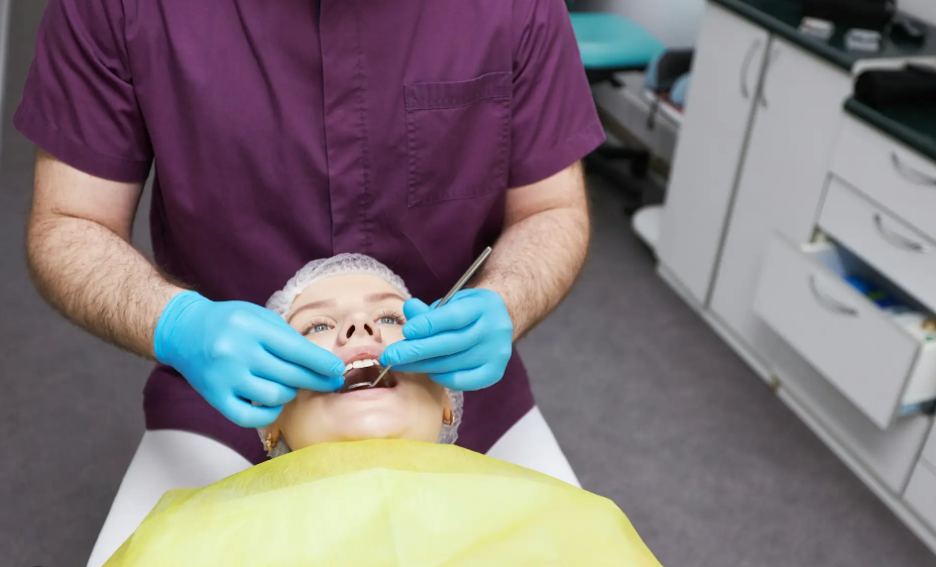
Diagnosing a cracked tooth requires both experience and specialized tools. First, your dentist will ask about your symptoms and perform a thorough visual exam. They may use a magnifying loupe or bright light to look for hairline fractures on the surface.
Next, dentists often use a dental explorer (a small metal tool) to feel for cracks or catch points on the tooth. Bite tests and dental dye can also help highlight areas where a crack might exist. In many cases, X-rays don’t clearly show cracks, but they can rule out other issues like decay or bone loss.
Types of Cracks and Why They Matter
Not all cracks are the same, and treatment depends on the type and severity. Some common types include:
- Craze lines – Tiny surface cracks that are usually harmless and don’t require treatment.
- Fractured cusps – These often break off around fillings and can usually be repaired with a crown.
- Cracks extending into the root – These require more intensive treatment and may need a root canal or even extraction.
- Split teeth – These are more severe and occur when the crack divides the tooth into separate segments.
Knowing what kind of crack you have allows your dentist to recommend the most effective solution.
Treatment Options for Cracked Teeth
Once a crack is identified, your dentist will discuss treatment options based on its depth and location. Minor cracks may need only cosmetic bonding to smooth the surface. For more significant damage, a crown can protect and strengthen the tooth.
Preventing Future Cracks
After treating a cracked tooth, your dentist will also help you prevent future problems. If you grind your teeth, a nightguard can protect against pressure while you sleep. Avoid chewing ice, hard candy, or unpopped popcorn kernels, and always wear a mouthguard during contact sports.
Conclusion: How Dentists Diagnose and Treat Cracked Teeth
Cracked teeth may seem minor at first, but they can lead to serious complications if left untreated. Thankfully, dentists are well-equipped to diagnose even the most subtle fractures and offer solutions that relieve pain and protect your smile.
Recent Comments