
Treating and Diagnosing Cracked Teeth 

Cracked teeth can cause a range of issues—from occasional discomfort to severe pain—yet they often go unnoticed until the symptoms worsen. Whether you’ve bitten into something hard or grind your teeth at night, a crack can develop without you even realizing it. Fortunately, dentists have the tools and techniques to identify and treat cracked teeth before the damage becomes more serious.  
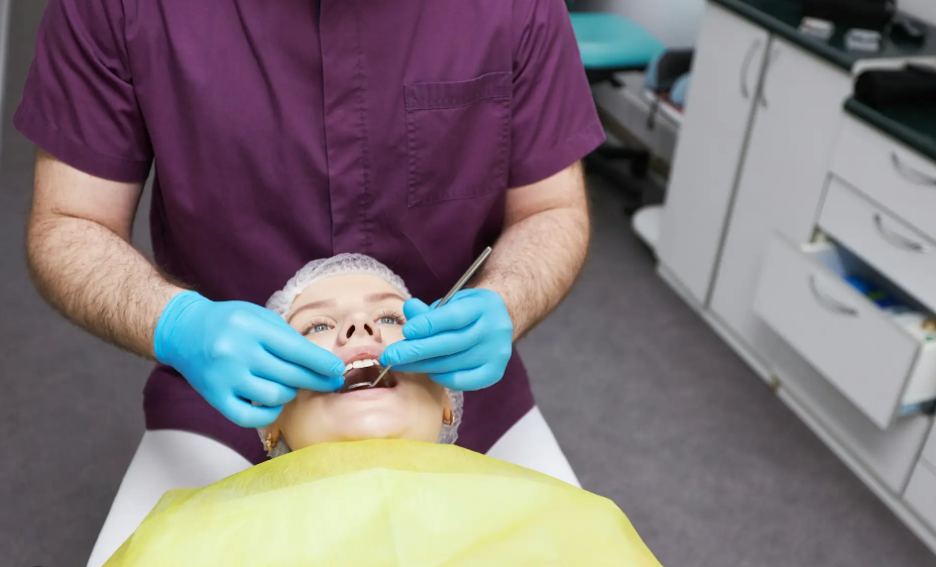
How Dentists Diagnose and Treat Cracked Teeth 

Understanding what to expect from dentists Pittsburgh can help you feel more confident when seeking care. 

Common Signs of a Cracked Tooth 

Although some cracks are visible, many aren’t easy to spot with the naked eye. That’s why paying attention to symptoms is so important. A cracked tooth might cause sharp pain when you bite down, sensitivity to hot or cold, or intermittent discomfort that comes and goes. 

Unlike a cavity, the pain from a cracked tooth often happens when you release pressure rather than apply it. If you notice any of these signs, don’t wait—early diagnosis makes a big difference. 

How Dentists Detect Cracks 

Diagnosing a cracked tooth requires both experience and specialized tools. First, your dentist will ask about your symptoms and perform a thorough visual exam. They may use a magnifying loupe or bright light to look for hairline fractures on the surface. 

Next, dentists often use a dental explorer (a small metal tool) to feel for cracks or catch points on the tooth. Bite tests and dental dye can also help highlight areas where a crack might exist. In many cases, X-rays don’t clearly show cracks, but they can rule out other issues like decay or bone loss. 

Types of Cracks and Why They Matter 

Not all cracks are the same, and treatment depends on the type and severity. Some common types include: 

  • Craze lines – Tiny surface cracks that are usually harmless and don’t require treatment. 

  • Fractured cusps – These often break off around fillings and can usually be repaired with a crown. 

  • Cracks extending into the root – These require more intensive treatment and may need a root canal or even extraction. 

  • Split teeth – These are more severe and occur when the crack divides the tooth into separate segments. 

Knowing what kind of crack you have allows your dentist to recommend the most effective solution. 

Treatment Options for Cracked Teeth 

Once a crack is identified, your dentist will discuss treatment options based on its depth and location. Minor cracks may need only cosmetic bonding to smooth the surface. For more significant damage, a crown can protect and strengthen the tooth. 

Preventing Future Cracks 

After treating a cracked tooth, your dentist will also help you prevent future problems. If you grind your teeth, a nightguard can protect against pressure while you sleep. Avoid chewing ice, hard candy, or unpopped popcorn kernels, and always wear a mouthguard during contact sports. 

Conclusion: How Dentists Diagnose and Treat Cracked Teeth 

Cracked teeth may seem minor at first, but they can lead to serious complications if left untreated. Thankfully, dentists are well-equipped to diagnose even the most subtle fractures and offer solutions that relieve pain and protect your smile.  
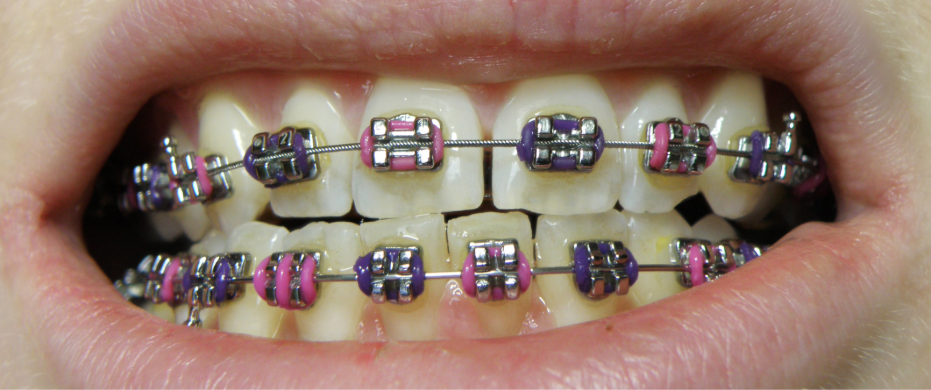
Important Reminders Before Putting Braces On  

Braces do more than just aligning some crooked set of teeth or fixing some teeth gaps; it makes oral hygiene easier to maintain as well as provide confidence. So, getting braces is one that will definitely change your life in a lot of ways.   

If you are a new patient, you probably have a lot of questions as to how the procedure is done, how much you will need to pay, and how to take care of them once put on. All of these will be provided to you below. So read along!  

The Most Important Reminder:  

The first thing you need to consider is to go to a dental clinic that is reliable and legitimate. Teeth whitening, braces, and dental implants Raleigh NC should be done by professionals that are licensed, trained, and experienced as these procedures may cause hazardous implications when done inappropriately.   

Braces Cost  

The braces’ cost varies widely depending on several factors like the type of braces you prefer, how severely misaligned your teeth are, your local area’s economy, and other necessary dental procedures that need to be done before the braces. The more misalignments, the pricier it gets since more adjustments and checkups will be needed to complete the whole procedure and treatment.   

Generally, you can expect to pay between $2,000 – $8,000. There are cheaper alternatives including Invisalign, which consists of a plastic tray that can also effectively align your teeth. To lower the actual cost, you may also opt to check your dental insurance company and find if they cover free orthodontic treatments, as they usually do for children below 18 years old.   

Pain and Discomfort  

Once the braces are put on, you will feel slight discomfort, although the discomfort together with the pain is relative depending on tolerance and discipline to follow all the doctor’s instructions. The worst pain may be felt and experienced a few days after the actual procedure, and your doctor may recommend and write a medical prescription. You can also opt to hold a block of ice against your jaw to alleviate the pain.   

Foods to Avoid  

Discomfort and pain may be felt at their worst the few days after the procedure, but the discomfort may last a little longer, especially when you are still adjusting to the braces inside your mouth. You will have difficulty in eating in general and will need to avoid certain foods to protect the braces and your teeth’s oral hygiene. You will need to eat soft foods like jelly sandwiches, pasta, peanut butter, yogurt, etc. during the first few days. As the discomfort subsides, you can now gradually eat the foods you like. However, keep in mind that you need to avoid these foods altogether:  

  • Sticky foods like caramels, gum, toffee, etc.  
  • Gummy foods like candy and jerky  
  • Foods you need to bite like corn, apples, etc.  

Taking Care of Your Braces  

By avoiding hard foods and brushing your teeth longer than you used to, you are already taking care of your teeth and braces. Brushing thoroughly is needed as food can get in between the structure of the brace and may cause decay on your teeth. Moreover, follow everything that your dentist prescribes.